



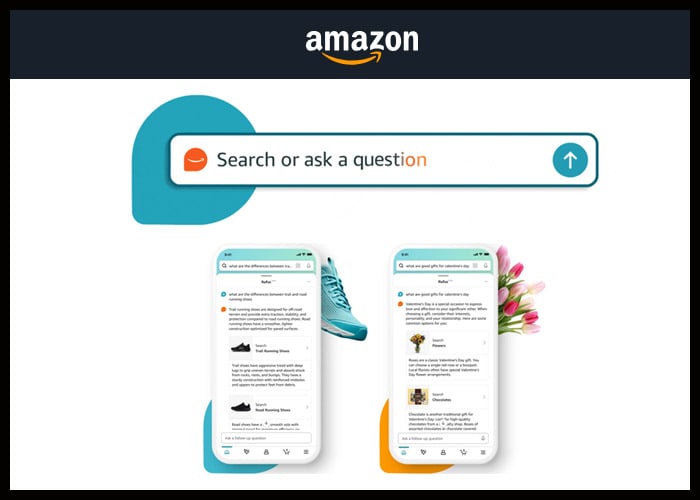

Amazon’s latest addition to its AI-powered shopping assistant, Rufus, is taking a bold step with the introduction of ads. As of September 2024, Amazon announced that its chatbot will start displaying sponsored ads for users in the U.S. This marks a significant change in how shoppers will interact with Rufus, as these ads will be tailored to their searches and conversations. It’s a move that could potentially shift the dynamics of online shopping on the platform.
What is Rufus, Amazon’s AI Chatbot?
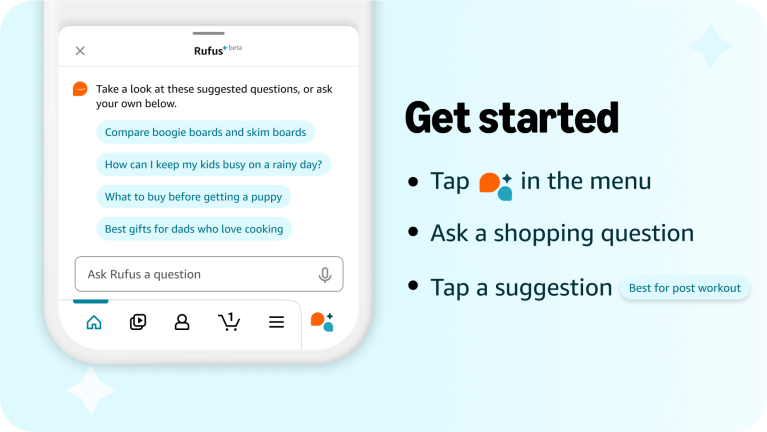
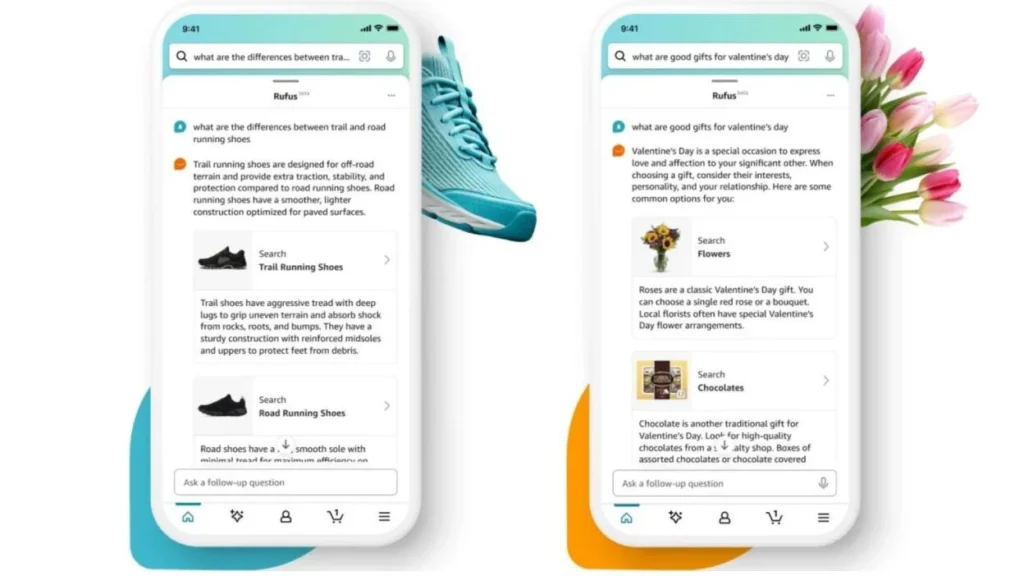
Rufus is Amazon’s answer to making online shopping more personal and efficient. This AI-powered chatbot is designed to assist customers by answering questions, offering product suggestions, and guiding them through the shopping process. Imagine having a virtual shopping assistant who knows Amazon’s entire catalog and can help you find exactly what you need. That’s Rufus. From helping users discover new items to navigating product pages, Rufus makes the entire shopping journey more interactive. Now, with ads being introduced, the chatbot will not only help shoppers but also suggest sponsored products based on conversations.

Why is Amazon Introducing Ads in Rufus?
Running AI tools like Rufus requires a lot of resources, and Amazon, like other tech companies, is always on the lookout for ways to maximize the return on their investments. By integrating ads into the Rufus experience, Amazon can tap into additional revenue streams while enhancing product visibility for brands. This move is not entirely surprising, especially given that AI technology is expensive to develop and maintain. Adding ads is a way for Amazon to monetize its AI tool while keeping the chatbot free for users. This strategy is similar to what Microsoft did when it introduced ads in its AI chatbot, Copilot, to generate revenue.
How Will the Ads Work in Rufus?
The ads in Rufus won’t appear randomly or disrupt the flow of conversations. Instead, they’ll be tailored to the user’s search terms and dialogue with Rufus. For example, if a shopper is inquiring about kitchen appliances, Rufus might suggest a sponsored blender or coffee maker from a specific brand. These ads are designed to be relevant and useful, helping customers discover products they might be interested in. In certain cases, Rufus might even generate additional text to accompany the ad, providing more context and information about the product, making the ad feel more like a helpful suggestion than a traditional ad.
How Will This Affect the Shopping Experience?
For shoppers, the integration of ads into Rufus could lead to a more personalized experience. These ads will be directly related to the conversations users are having with the chatbot, which means they might not even feel like traditional ads. Instead, they could come across as recommendations that enhance the shopping experience. However, it also raises concerns about the blurring lines between helpful advice and sales tactics. While some users might appreciate discovering new products through these ads, others may find the commercialization of their chatbot experience off-putting.
What Does This Mean for Shoppers?
For those using Rufus to shop on Amazon, this new feature could be a double-edged sword. On one hand, it might help shoppers find exactly what they need, with targeted ads offering relevant products based on their queries. On the other hand, it could introduce a sense of commercialization to what has been, up until now, a straightforward shopping assistant. Amazon seems to be treading carefully, ensuring that the ads are seamlessly integrated into conversations so that they don’t feel too disruptive. Time will tell whether shoppers will view these ads as helpful or intrusive.
Comparisons to Other Chatbots Using Ads
Amazon isn’t the first company to experiment with placing ads in its chatbot. Microsoft has also tested ads in Copilot, their chatbot that operates within Bing and Windows. Both companies are exploring how chatbots can be more than just customer service tools and can also serve as revenue generators. The introduction of ads into these AI systems reflects a broader trend in tech, where companies are finding creative ways to monetize AI-powered services. As more chatbots adopt this model, it may become the standard across various platforms, with more companies integrating targeted ads into their AI assistants.
What’s Next for Rufus?
Amazon has stated that the ads in Rufus are just part of a series of ongoing enhancements. This means that shoppers can expect more improvements in how the chatbot functions, with a focus on making the shopping experience smoother and more personalized. Future updates may include even more targeted product suggestions, smarter ad placements, and new features that make shopping with Rufus feel more interactive. While this is still a test phase, if successful, we could see a broader rollout of ads in Rufus and possibly other AI tools across Amazon’s platform. The company appears to be committed to refining Rufus and ensuring that it stays a helpful companion for shoppers.
What Does This Mean for the Future of Shopping?
The decision to test ads in Rufus signals a potential shift in how AI chatbots are used in e-commerce. For Amazon, this could be a way to enhance brand visibility and drive more revenue, while for shoppers, it introduces a new way to discover products. Whether customers will embrace these changes remains to be seen, but it’s clear that AI-driven shopping experiences are evolving. As the test continues, Amazon will likely gather feedback to determine how to best integrate these ads without disrupting the overall user experience. The future of Rufus—and possibly other AI chatbots—may very well lie in balancing helpful shopping assistance with sponsored product discovery.