


There’s something almost magical about the moment a room changes with light. That soft amber hue that turns your living room into a late-summer evening, the cool white that makes your desk feel like a fresh start, or the deep violet glow that makes your gaming setup look straight out of a sci-fi movie. Light can shift our emotions, our focus, even our sense of time. And with Philips Hue, that magic becomes something you can design, control, and live in every single day.
Smart lighting isn’t new, but Philips Hue has made it something more: personal, responsive, and quietly transformative. It’s not about gadgets or gimmicks. It’s about shaping your atmosphere with intention, from the way you wake up in the morning to how you unwind at night.
Why Lighting Has Become the New Language of Home Design
Most people think of lighting as practical, a switch, a bulb, a fixture. But in reality, it’s emotional architecture. The glow that surrounds us affects how we feel more than we realize. Philips Hue understands this at its core.
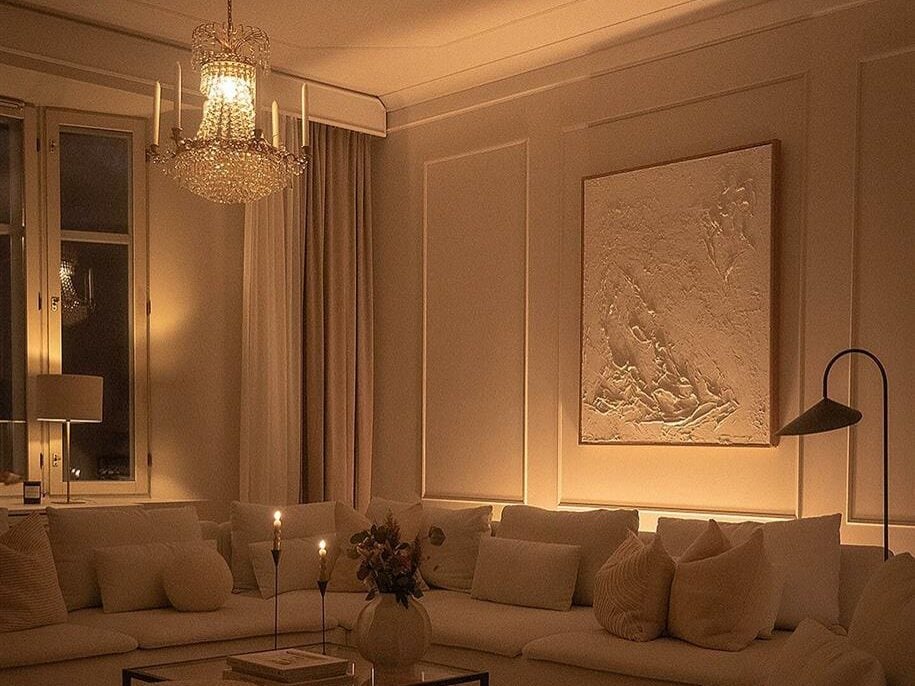
Imagine walking into your bedroom after a long day, and instead of harsh white light, you’re greeted by a soft rose gold tone that instantly calms you. Or picture hosting dinner, where the lights fade to a warm amber, making every meal feel like an intimate gathering. Philips Hue’s Ambiance lights turn moments into moods, and moods into memories. It’s not just about brightness; it’s about the story your space tells.
Can Light Really Affect Your Mind and Body? Science Says Yes
Our bodies follow the rhythm of light, it’s called the circadian rhythm, and it shapes everything from how we sleep to how we think. Philips Hue taps into that natural cycle with its Wellbeing and Circadian LED features.
Soft blue tones in the morning can gently energize you like real daylight, helping you wake up naturally without the shock of an alarm. Warm, dimmer lights in the evening tell your brain it’s time to rest. It’s a subtle shift, but it makes a huge difference for people working late hours, living in apartments with little natural light, or simply trying to sleep better. Philips Hue turns science into serenity, using light to support how your body actually wants to function.
How Philips Hue Turns Everyday Moments Into Cinematic Experiences
You don’t have to go to the cinema to get goosebumps. With Philips Hue, your living room can become a full-blown entertainment space. Sync your lights to your TV, gaming setup, or music, and suddenly, your surroundings pulse and flow in rhythm with the action.
Imagine watching a car chase, and the lights flash and fade in sync with every turn. Or playing your favorite game while the room glows with each power-up. The Philips Hue Sync Box and Gradient strip lights don’t just illuminate your space, they make it move with you. It’s immersive, cinematic, and almost addictive once you experience it.
What Happens When Technology Becomes Effortless
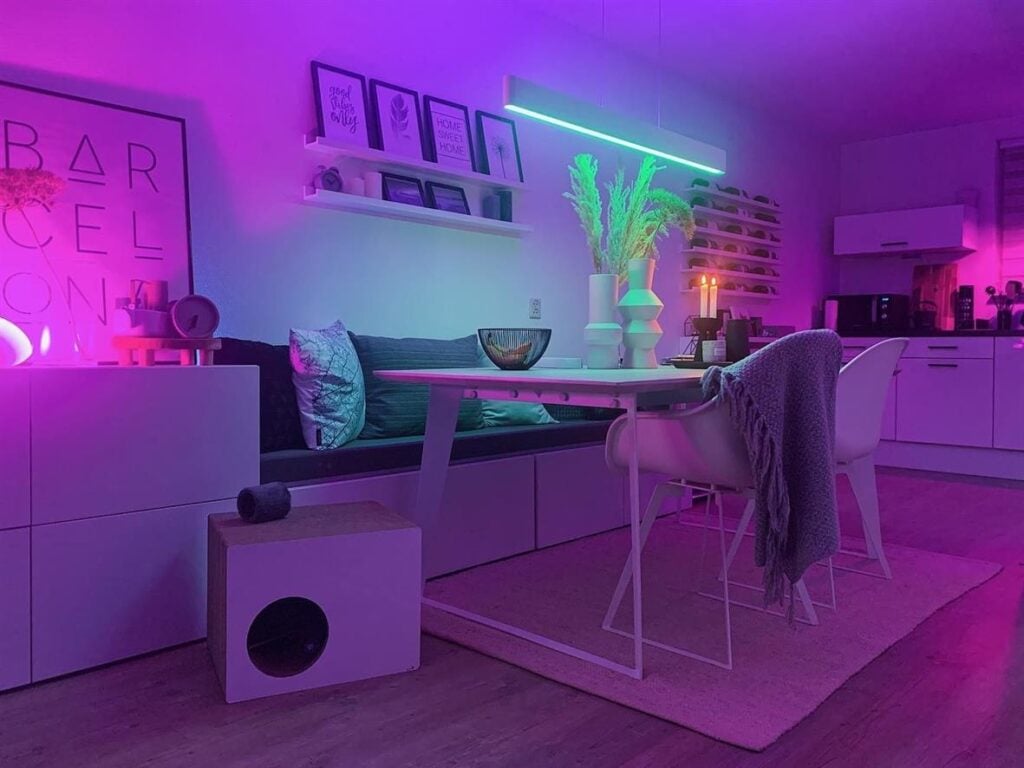
The best tech is the kind you forget you’re using. Philips Hue nails that balance, smart but never complicated. Its Bridge acts as the system’s “brain,” connecting your bulbs, lamps, and accessories in a smooth network that just works.
You can automate everything. Lights that slowly brighten to wake you up, motion sensors that guide you to the bathroom at 3 a.m. without blinding you, or security lights that turn on when your car pulls into the driveway. It also syncs perfectly with smart assistants like Alexa and Google Home, so a simple “Goodnight” command can dim every light in the house. It’s not about being tech-savvy, it’s about designing convenience into your life without even thinking about it.
Safety in a Softer Glow: When Lighting Meets Security
Security lighting used to mean one thing: blinding floodlights. Philips Hue makes safety smarter and subtler. Its outdoor lights, cameras, and motion sensors do more than just illuminate; they create peace of mind.
When you’re away, your lights can mimic your routines, switching on and off at realistic intervals so your home always looks lived-in. Add contact sensors on doors or motion-triggered lights in the backyard, and you get a quiet kind of protection that blends seamlessly into your everyday life. Because safety should feel natural, not intrusive.
Thinking of Going Smart? Here’s What to Know Before You Start
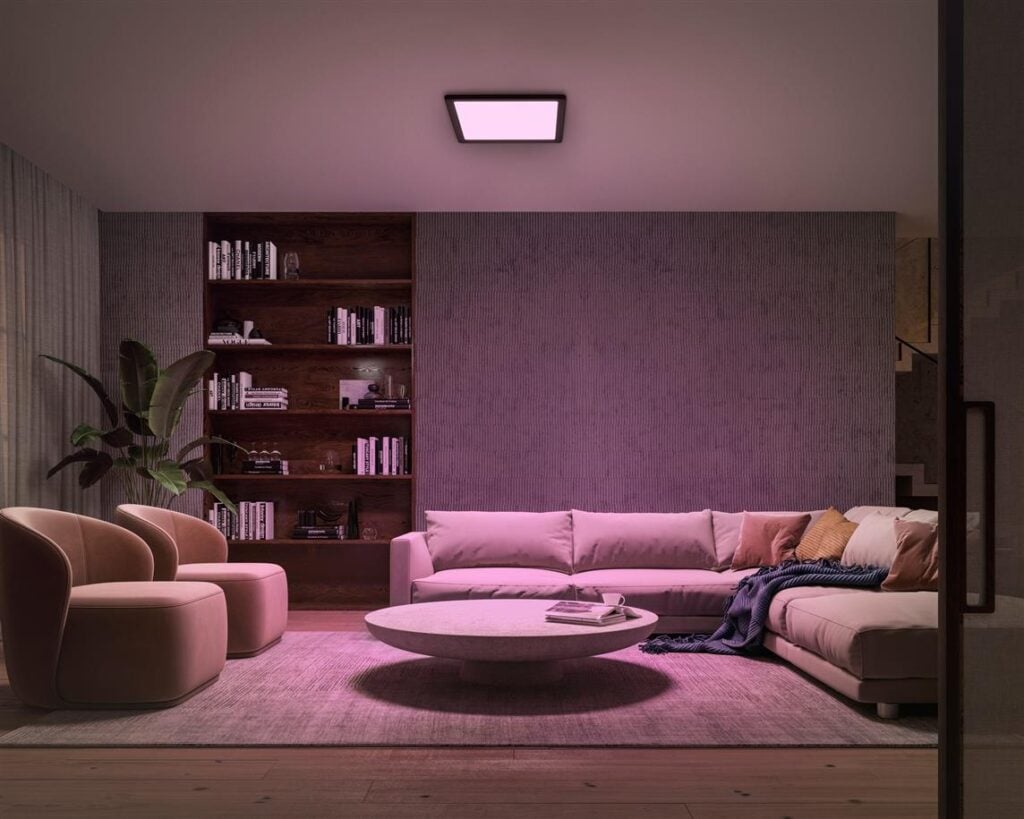
Jumping into smart lighting doesn’t have to mean rewiring your home. Philips Hue is modular, meaning you can start small and expand as you go.
A few tips before you begin:
- Start with a Starter Kit: It gives you everything you need, bulbs, Bridge, and controls, so setup feels intuitive.
- Plan your zones: Group your lights by room or activity. Bedroom lighting is different from kitchen lighting.
- Experiment with color and brightness: Each bulb can create millions of hues, from vibrant party tones to soft neutrals.
- Add accessories later: Motion sensors, smart plugs, and switches can layer in more control without extra wiring.
The key is to build your lighting experience around you, your habits, your spaces, your moods.
More Than a Smart System, It’s an Extension of Who You Are
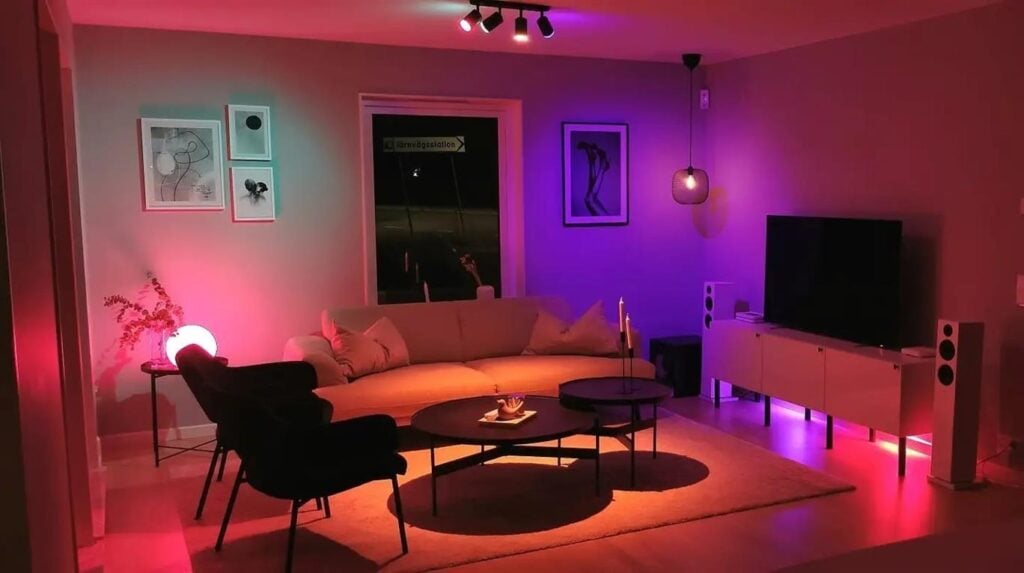
At its heart, Philips Hue is about personal expression. It’s about making light as dynamic and adaptable as life itself. Whether it’s a quiet reading nook that glows warm and soft, or a Saturday night party pulsing with color, Hue evolves with you.
What started as a simple bulb has become a creative tool for artists, designers, parents, and anyone who wants their home to feel alive. It’s not just technology; it’s ambience, rhythm, and emotion, captured in light.
Light Isn’t Just Something You Turn On, It’s Something You Live In
So, can light change how you live? After stepping into the world of Philips Hue, the answer feels obvious. It’s the kind of innovation that doesn’t shout, it glows. Quietly transforming every corner of your home, every moment of your day, and every mood you want to create.
The next time you switch on a light, ask yourself: is it just brightening your room, or changing your life?